Fastis — design
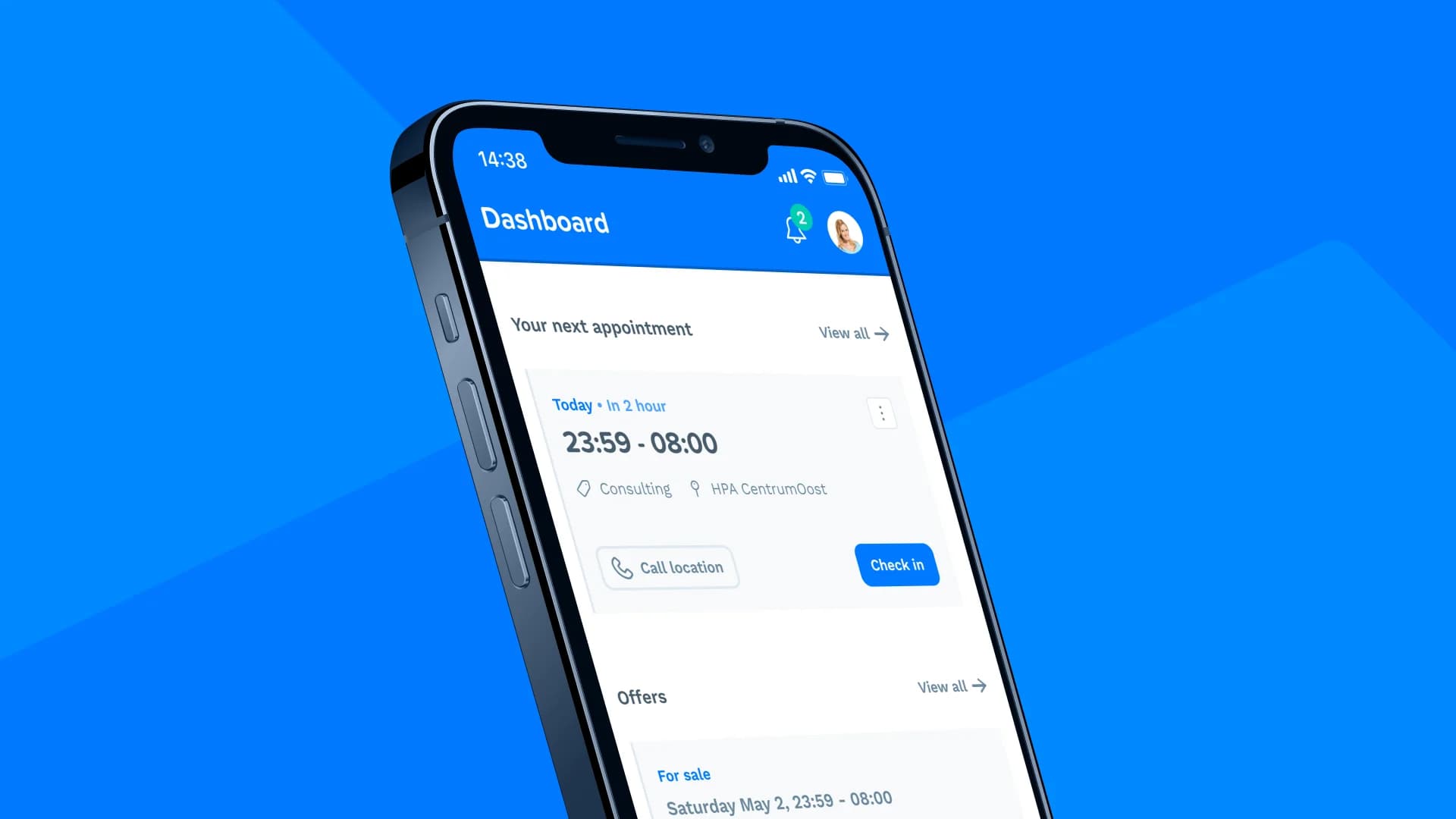
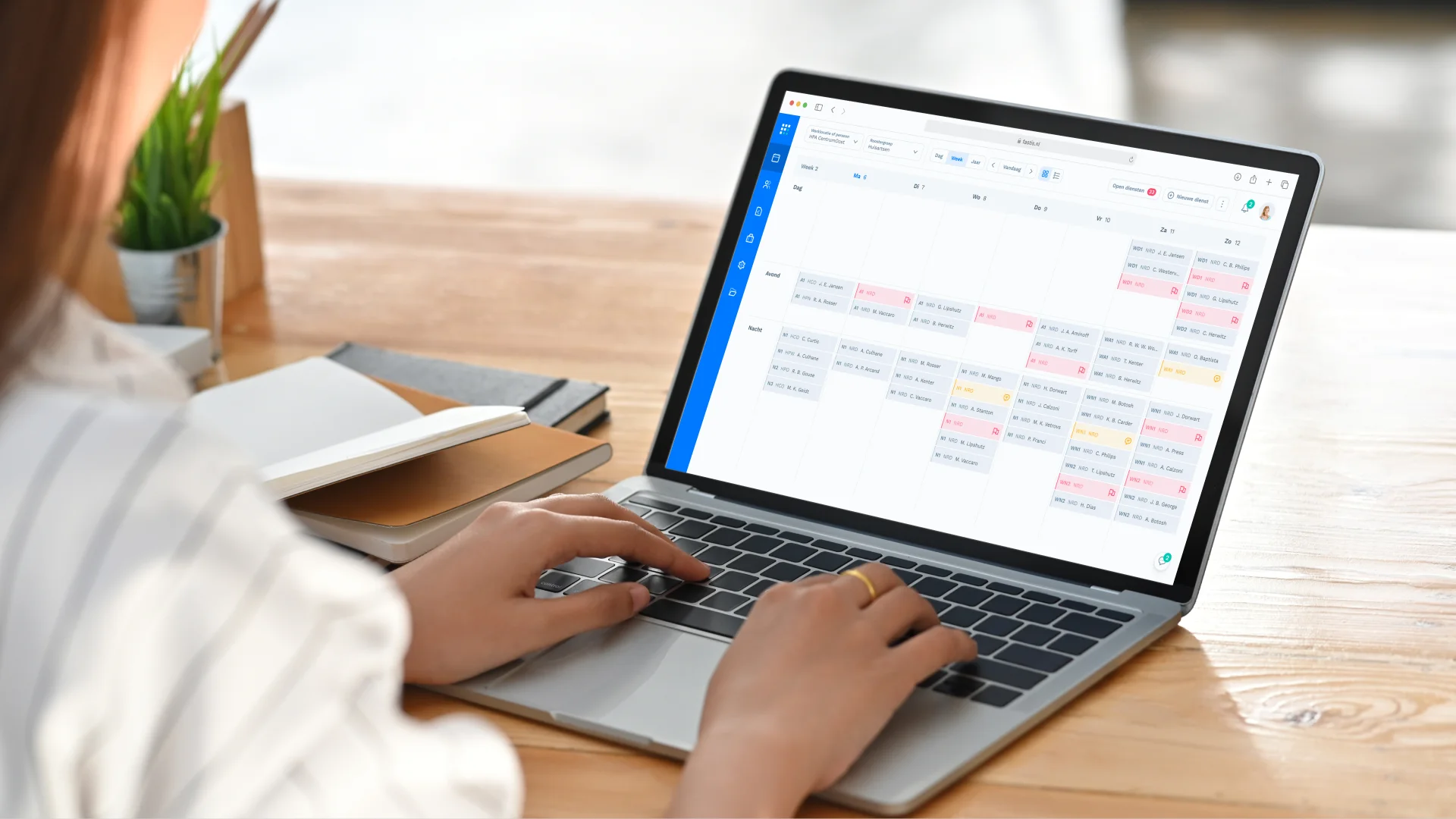
Fastis·Led design for a healthcare scheduling platform that helps Dutch GP practices and out-of-hours GP centres build fairer rosters — schedules that put people first. Over a year of sprints I designed both products: an admin tool for the planners, and an app for the doctors and nurses they schedule.
Most of the design happened with users in the room. I spent time with doctors and nurses talking through what fairness actually meant on a roster. Which holidays mattered, and which didn't. How much notice they needed for a swap. Whether they'd worked the last two Christmases, and whether anyone was keeping track. For the planners, the questions flipped: how to surface all those preferences without drowning in toggles, and how to catch inequities before publishing the roster.

On the practitioner side, those conversations turned into a preferences wizard (holidays, weekdays, day parts, shift types) and a marketplace where doctors and nurses could trade shifts when life got in the way. On the planner side, the same preferences fed auto-assignment, with warnings that flagged unfair distributions before publishing. Both products grew far beyond that — hundreds of screens covering people, organisations, declarations, documents. Fairness was the spine.
The planner's tool was where the work compounded. By month's end a single roster could have hundreds of decisions baked in — who was on, who wasn't, who was owed time off, who'd taken the last weekend. Auto-assignment surfaced what it could; a lot of the design was about making everything else auditable: why a shift was red, who hadn't worked enough nights this month, what changed when someone got added or pulled.
Robin is a real heavy lifter in terms of understanding businesses, smoothing processes, and adding creativity in boring digital environments. A lot of designers make things easier to look at. He's creating digital products — that's a whole different ball game.